
What Does Medical Skin Care Cover?
Medical skin care focuses on diagnosing and treating skin conditions, rather than cosmetic routines alone. Dr Martelize sees patients for a wide range of concerns, including:
- Acne in teenagers and adults
- Eczema and dermatitis
- Psoriasis
- Rosacea and facial redness
- Fungal infections of the skin and nails
- Moles and spots that have changed
How Is Acne Treated?
Acne develops when hair follicles become blocked with oil and dead skin cells, which then become inflamed. Hormones and genetics both play a part, and some skincare products can make it worse.
Treatment depends on the type and severity of your acne. Mild acne often responds to creams or gels applied to the skin. Moderate or persistent acne may need oral treatment for several months. Where there is a risk of scarring, starting treatment early makes a difference, and severe cases may be referred to a dermatologist, although most acne can be treated by our general practitioner in Bloemfontein, with regular follow-ups.
Acne treatment takes patience. Most treatments need six to twelve weeks before a clear improvement shows, and the skin can sometimes look slightly worse before it gets better. Follow-up visits allow the plan to be adjusted as your skin responds.
When Should A Mole Or Spot Be Checked?
Sun exposure in South Africa is high all year round, so changes in your skin are worth taking seriously. Book a check if a mole changes in size or colour, or if a spot bleeds or does not heal. A first look does not need a specialist. Your general practitioner in Bloemfontein can examine the area closely, and anything that looks suspicious can be removed under local anaesthetic and sent for testing.
Can Skin Problems Be Linked To Your General Health?
Sometimes, yes. Persistent itching can be linked to thyroid or kidney problems, and dark, velvety patches in the skin folds can be an early sign of insulin resistance. Dr Martelize can look beyond the skin itself and arrange blood tests when a wider cause is possible. If a thyroid problem turns out to be behind the itch, it becomes part of your ongoing care rather than a separate issue.
How Should You Prepare For A Skin Consultation?
Arrive with clean skin where possible, without makeup over the area of concern. Bring the products you currently use, or photos of their labels, along with a note of anything you have already tried.
What Happens After Your Skin Improves?
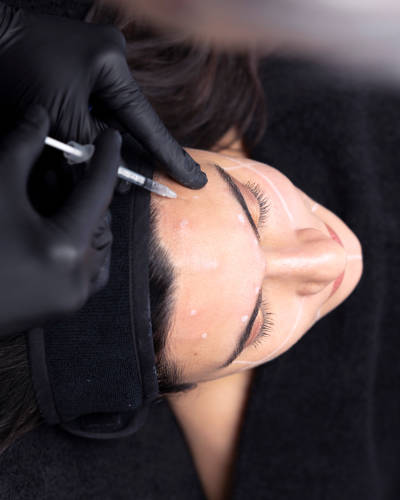
Many skin conditions, such as eczema and rosacea, are managed over the long term rather than cured. Once things are under control, the focus shifts to keeping flares to a minimum with a simple maintenance routine. Once acne has settled, some patients want help with leftover marks or fine lines, and skin boosters are one option discussed at that stage. Keeping your skin care in Bloemfontein with one doctor, from diagnosis through to maintenance, keeps the plan consistent.